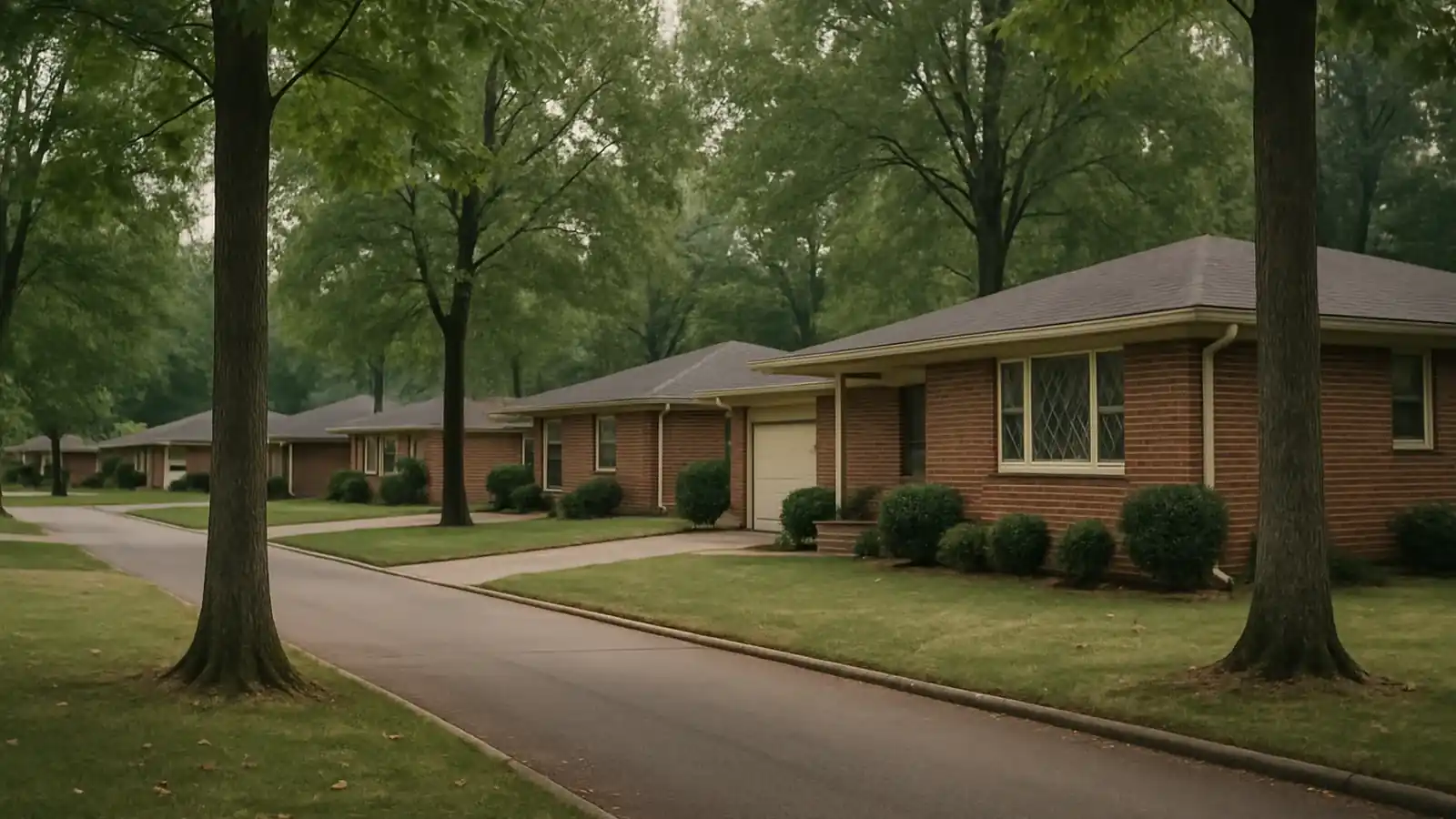
Memphis Mold Removal Co. serves both sides of the line: Memphis plus Germantown, Collierville, Bartlett, Cordova, Millington, Lakeland, and Arlington in Tennessee; Southaven and Olive Branch across in DeSoto County, and a good inspection there takes readings.
Choose your community
GermantownColliervilleBartlettCordovaMillingtonLakelandArlingtonSouthavenOlive Branch
Every town we cover, and what changes there
Each of these has its own page, because the ground and the housing stock are not the same across the region. The short version:
Germantown: Established stakes
Germantown's 1970s-90s neighborhoods pair the metro's most finished interiors with its standard underside: vented crawls now four-plus decades into the river climate, mature canopy shading crawls into slow-drying dampness, and duct runs of the same vintage crossing them. Read what that means for a Germantown property.
Collierville: Square-town spread
Collierville pairs its celebrated square with decades of growth rings: vintage in-town homes on old crawls near the core, big 1990s-2010s builds spreading east and south. Read what that means for a Collierville property.
Bartlett: Mid-age middle America
Bartlett built the metro's family core in the 70s-90s: split-levels and ranches on vented crawls, duct runs of matching vintage, and forty-plus river-climate years on both. Read what that means for a Bartlett property.
Cordova: Boom-belt patterns
Cordova grew fast through the 80s-2000s (subdivisions and multifamily filling in around Germantown Parkway) and its mold patterns follow the construction calendars: duct systems aging in cohorts, builder-grade platforms hitting their habit years together, and the era's crawls (shallower, plastic-sheeted, sometimes) running humid beneath. Read what that means for a Cordova property.
Millington: Flight-line and bottomland
Millington mixes base-era neighborhoods (practical mid-century stock built for Navy families) with rural edges running toward the bottoms, where low-lying ground remembers the big-rain years. Read what that means for a Millington property.
Lakeland: Young-town margins
Lakeland's growth is recent (1990s-onward subdivisions on generous lots around its namesake lake) and its mold stories are correspondingly early-chapter: first system-path colonies, bath corners in daily-use homes, the occasional punch-list intrusion. Read what that means for a Lakeland property.
Arlington: Newest stock, oldest climate
Arlington's subdivisions are the metro's youngest (whole streets of recent construction on former farmland) and their mold stories run at machine speed rather than house age: a clogged AC drain in July writes a first colony regardless of build year, and tight modern envelopes hold moisture events longer than the leaky stock ever did. Read what that means for an Arlington property.
Southaven: South of the line, same air
Southaven's growth decades (1980s onward, accelerating) put Mississippi- side cohorts under the same river climate as Shelby County's: humid year-round air, storm-season tests, and construction calendars whose duct systems and crawl-or-slab formats age in waves. Read what that means for a Southaven property.
Olive Branch: Boom-town chapters
Olive Branch went from crossroads to city fast (subdivision waves through the 2000s-2020s) and its mold stories are boom-town young: machine-path first colonies, cohort calendars just starting their habit years, tight envelopes holding events. Read what that means for an Olive Branch property.
One climate, ten chapters
The river's humidity is regional; the chapters are local: Germantown's canopy-shaded crawls, Bartlett's mid-age split-levels, Cordova's cohort calendars, Millington's bottomland memories, the DeSoto boom's young stock learning the rules. Each page reads its chapter; the inspection reads your house. Between towns? Ask: Mid-South travel should be quoted honestly.
What it means when we say we cover a town
It means your request goes to a local specialist who serves that town, just as it does in Memphis. Ask for moisture readings and photographs of what is growing, a written scope afterwards, and any travel charge quoted as its own line rather than buried inside the others. If travel is material, ask for that number before you agree to anything.
Damp problems get worse while they wait, so distance should never be a reason to put a visit off.
These 9 communities are the ones this guide knows well enough to describe the ground in advance. That is the honest boundary: not a radius drawn on a map, but the places whose housing and ground are well enough understood to write about.
Coverage questions
Is there an extra charge to come out to the outlying towns?
Ask for travel to be quoted as its own line when it applies, and to see it before agreeing to anything. It should not be folded into the price of the work, because a scope you cannot read is a scope you cannot compare against anyone else's.
My address is not on the list. Is it still covered?
Usually, and it is worth asking. The list is the area this guide knows well enough to describe in advance, not a hard boundary. Somewhere between two of these towns is almost always a yes.
Is the first visit free, everywhere on this list?
Many local specialists don't charge for the first visit, but it depends on the company. Ask when the specialist calls, before they come out. Ask for the moisture readings, photographs of what is growing, and the written findings, which are worth having whether or not you go ahead.
Why does the price differ between towns for the same job?
Because the ground does. Each town page above explains what changes locally, and the quote follows what the visit measures at your specific address rather than an average for the region.
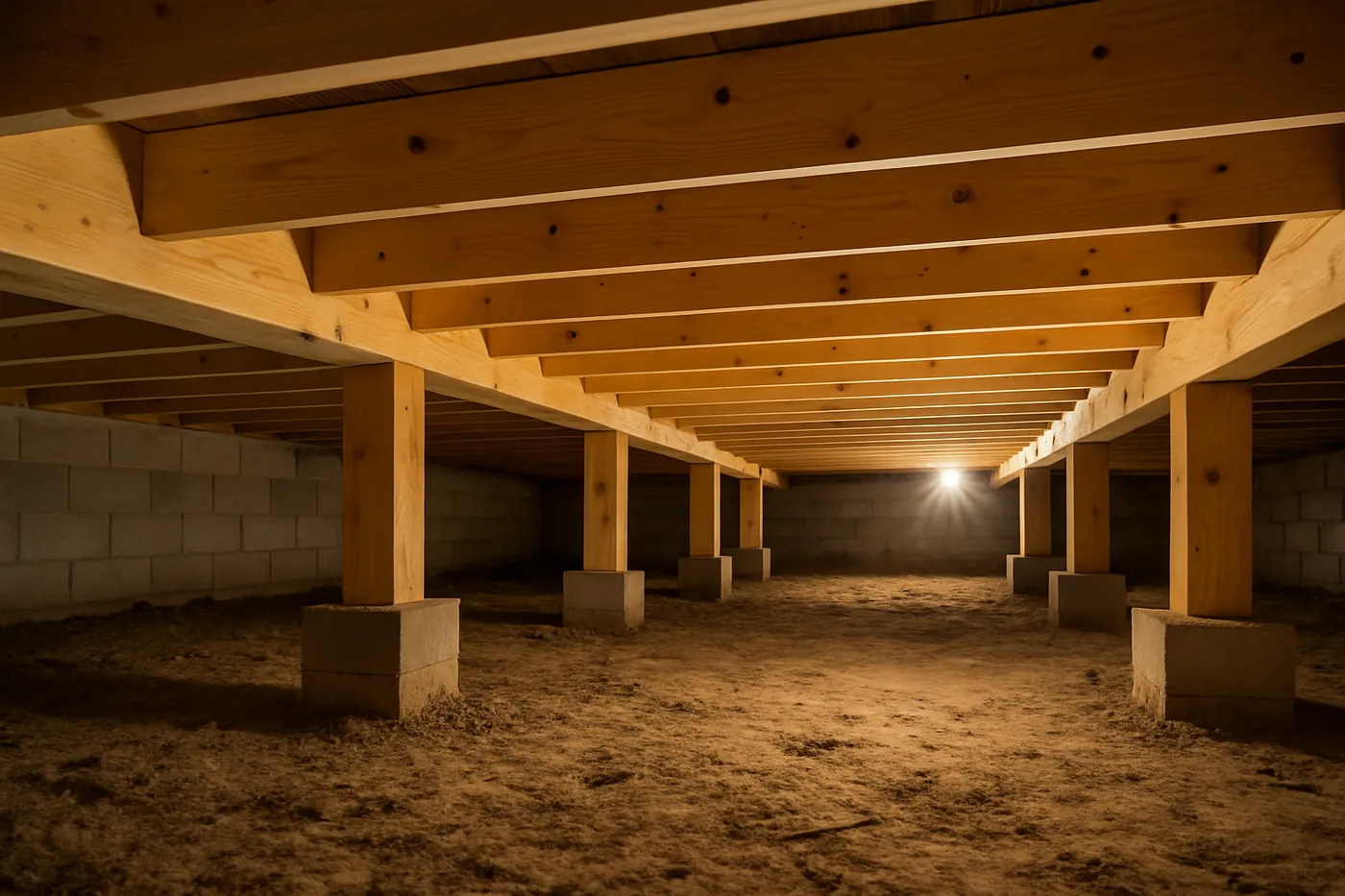
Book a Memphis mold inspection
Tell us what you're seeing (spots on a wall, a musty room, a leak that got away) and we'll pass your request to one independent local specialist, who can set up an inspection. If water is coming in right now, call (901) 698-0462.